The 72-Hour Breath: Cambodia-Thailand Ceasefire and the Long Road Home
12 / 28 / 2025 · 540 words
After 19 days of supersonic strikes and heavy artillery, a fragile silence has finally settled over the border provinces of Battambang, Banteay Meanchey, and Preah Vihear. As of December 28, 2025, the "Human OS" of our region is attempting to shift from survival mode back to a state of stability.
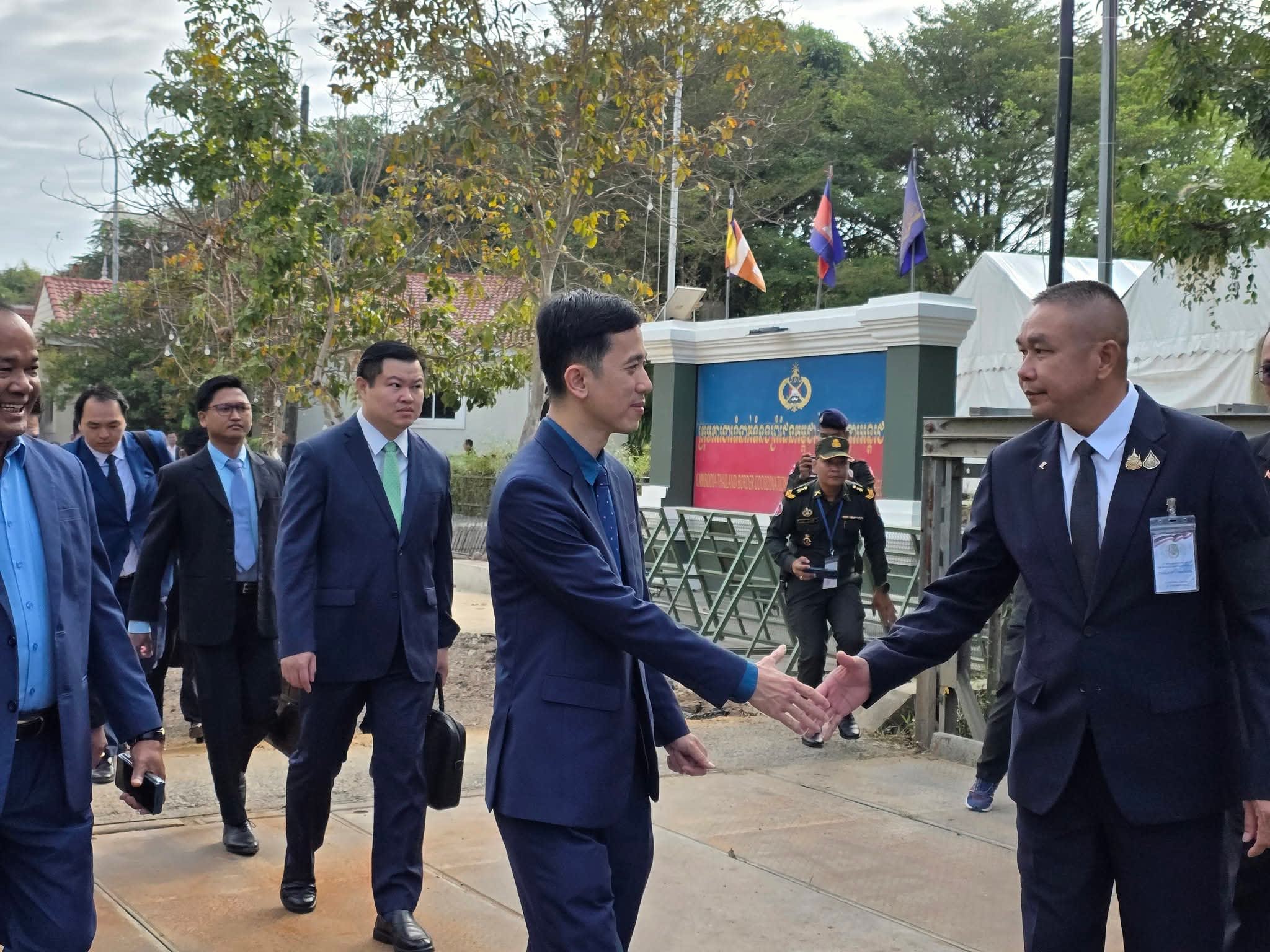
1. The GBC Agreement: What was Signed?
The 3rd Special Cambodia-Thailand General Border Committee (GBC) meeting, held yesterday at the Prom-Pak Kard checkpoint, resulted in a Joint Statement signed by Defense Ministers Tea Seiha (Cambodia) and Nattaphon Narkphanit (Thailand).
- The Mandate: An "immediate" ceasefire took effect at 12:00 PM on December 27. It covers all weapons and strictly prohibits attacks on civilians, infrastructure, and military positions.
- No Troop Movement: Both militaries must freeze their current positions. There will be no patrols toward the other side and no violations of airspace.
- The 72-Hour Test: Thailand has stated that this is an observation period. If the ceasefire holds for 72 hours, the 18 Cambodian soldiers currently detained will be released.
2. The ASEAN Observer Team (AOT)
For the first time in this conflict, the ASEAN Observer Team (AOT) is on the ground. Their presence is the "verification layer" that both nations need to prevent the kind of accidental skirmishes that broke the October truce. Their role is to ensure that the silence we hear today isn't just a pause to reload, but a genuine step toward de-escalation.
3. The Pain of the "Waiting Room"
While the news of a ceasefire is a relief, the reality for the 1 million people displaced is far more complex.
- The Fear of Return: Even with the silence, many families in Sampov Loun and Banan are hesitant. They remember the T-50TH strikes too clearly. The psychological "re-boot" takes longer than the signing of a document.
- Landmine Risks: The Joint Statement emphasizes the need for demining. The conflict has likely shifted or unearthed older landmines, making the return to rice fields a deadly gamble.
- Education in Limbo: 883 schools remain closed. The Ministry of Education is working on a "Safety First" protocol, but students will likely not return to classrooms until the 72-hour observation window is successfully closed.
4. Human Sovereignty vs. Territorial Claims
The most critical part of the Joint Statement (Point 11) is the agreement to allow civilians to return to their homes in "safety and dignity." This is where you, my readers, come in. A ceasefire on paper is only as strong as the humanitarian support on the ground. As people begin to trickle back to their villages, they will find homes destroyed by 155mm shells and pagodas in ruins.
"Peace is not just the absence of war; it is the presence of the ability to go home without fear."
The next 48 hours are critical. We are watching the horizon, not for jets, but for the sustained commitment to the Kuala Lumpur Peace Accords.
If you are currently at a displacement site, please wait for official clearance from the National Committee for Disaster Management (NCDM) before attempting to return to border-adjacent villages.
Reported from Battambang, December 28, 2025.